

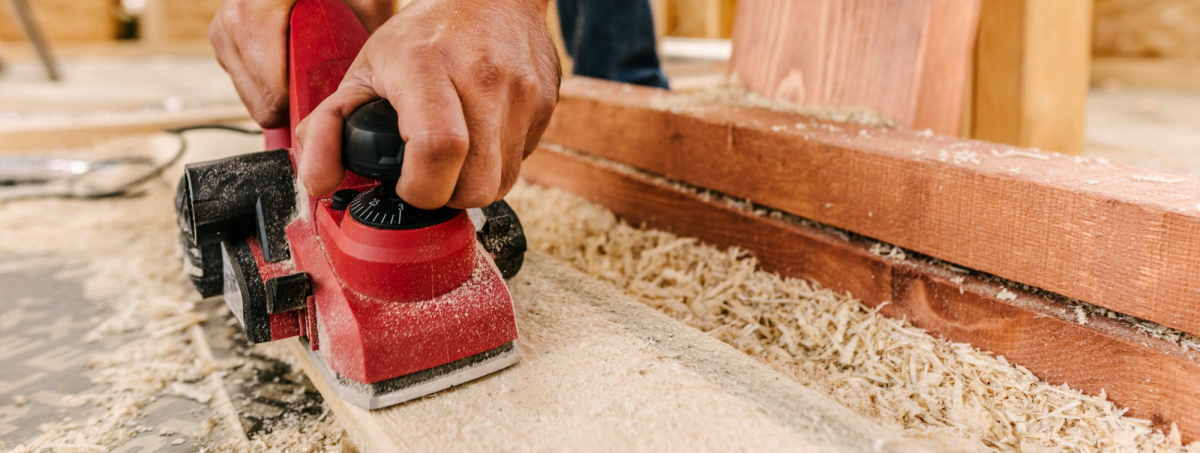
Ireland has taken a decisive step toward embedding timber at the heart of its built environment. A seven-point roadmap from the interdepartmental Timber in Construction Steering Group was brought to cabinet by Minister for Agriculture Martin Heydon on 10 June 2026, setting out a strategy to make timber the default material in every publicly funded building. For construction leaders, the report is both a policy signal and a commercial opportunity of the first order.
The steering group findings are well grounded. Established in November 2023 and drawing on 64 institutions across two years of work, the report maps a route from policy ambition to implementation, with lead departments and timelines attached to every recommendation. Three pillars define the agenda: Regulation and Standards, Procurement and Carbon Policy, and Innovation, Training and Adoption. Together they create conditions for timber to move from niche specification to mainstream construction material.
The procurement pillar is the most immediate opportunity. A public Wood-First strategy, led by the Office of Public Works, would require public bodies to consider timber and timber-based systems as the primary material for new buildings, extensions and major refurbishments unless a robust technical or economic case exists. South Dublin County Council has already adopted its own Wood-First policy, and the report points to France and Scotland as models where comparable levers have moved timber into the mainstream.
The regulatory framework is being built to match. The National Standards Authority of Ireland has been asked to develop Ireland’s first National Technical Specification for mass-engineered timber, covering fire safety, durability, moisture, acoustics and structural performance across cross-laminated timber and glulam. A specialist advisor panel backed by approximately €190,000 will support building control authorities assessing mass timber projects. Mandatory carbon intensity targets will apply to all new buildings from 2030, with the SEAI tasked with publishing a life-cycle global warming potential roadmap by January 2027.
Construction firms should act now rather than wait for mandates. Early movers in mass timber specification will build the design, procurement and supply chain competencies that provide structural advantage when Wood-First obligations become routine. Firms should engage with Enterprise Ireland’s forthcoming Timber Knowledge Development and Innovation Facility, building capability in CLT and glulam at the earliest opportunity. Boards should assess pipeline projects against whole-life carbon assessment requirements that have applied to public sector procurement since September 2025.
Ireland’s timber strategy arrives at precisely the right moment. National timber supply is forecast to grow from five million to almost 7.8 million cubic metres by 2035, and the 300,000 homes target demands faster, lower-carbon construction methods. Organisations that embrace Wood-First now will help define the next generation of Irish construction and capture the commercial upside of a policy shift already well in motion.
(The views expressed by the writer are his/her own and do not necessarily reflect the views or positions of BusinessRiver.)















.png)