

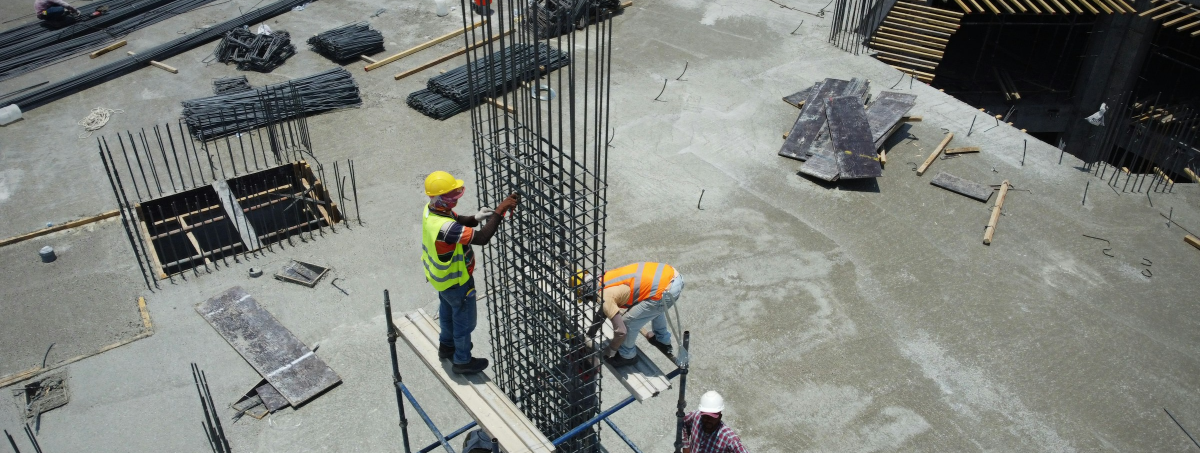
Northern Ireland’s construction sector has reached a landmark. Official figures from the Northern Ireland Statistics and Research Agency (NISRA), published on 26 June 2026, confirm that construction output hit a new cash-terms high of £4.9 billion in the 2025/26 financial year, returning to output levels last seen in 2008/09. Annual output is now approximately £1 billion or 26% higher in real terms than five years ago, a genuine structural recovery and a foundation for sustained future growth.
The NISRA bulletin is a compelling measure of the sector’s underlying strength, and its findings point squarely toward what must follow. Housing has driven the recovery, output grew again in the most recent year, and private and social housebuilding both surged. But the Royal Society of Ulster Architects has been direct: the near absence of government decision-making is storing up structural risk. Three gaps define the challenge: an absent budget cycle, overdue regulatory reform, and unresolved wastewater infrastructure constraints on development.
The output data is striking. Annual construction output rose 4.3% in the most recent year, driven by strong residential growth. Private housing was up 23% in real terms on the prior year and social housing rose 38%. Ciarán Fox, director of the Royal Society of Ulster Architects, acknowledged the sector’s momentum directly, noting that architects are busy at the moment, while cautioning that the near absence of strategic decision-making is storing up trouble for future years.
The governance gaps are specific and consequential. There is no agreed budget for the current year, no three-year spending plan, and no Investment Strategy since 2021. The Action Plan for the Housing Supply Strategy is a year overdue, and Building Regulations have not been updated in three years. Wastewater infrastructure, which blocks development across more than 100 areas, has no funded resolution plan. For construction leaders, these are not abstract policy concerns but direct constraints on pipeline viability.
The strategic response is clear. Construction firms should engage directly with the Executive on budget and infrastructure deficits, making the economic and social case for urgent action. Boards should use the strength of current output to invest in workforce capacity and capability, ensuring readiness to absorb a larger public works pipeline when political conditions allow. Firms with wastewater-constrained sites should work with planning bodies to identify alternative development pathways and sequence pipeline projects accordingly.
Northern Ireland’s construction sector has earned its recovery. Reaching £4.9 billion in output, with private and social housebuilding both surging, is a measure of genuine sectoral capability. The island of Ireland, north and south, faces the same housing and infrastructure imperative. Organisations that maintain investment, sustain delivery and engage government with clarity will be best positioned to convert current momentum into lasting sectoral leadership.
(The views expressed by the writer are his/her own and do not necessarily reflect the views or positions of BusinessRiver.)















.png)