

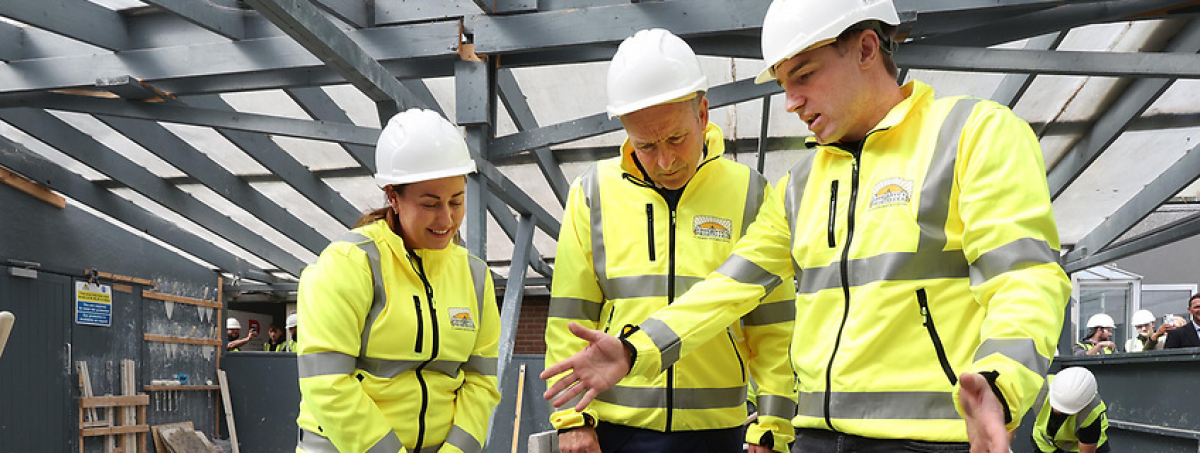
The Dublin Port-based Construction Skills Course has passed 4,000 graduates since 2017, a milestone marked by a Taoiseach visit that highlights one of Ireland's most established pipelines feeding entry-level workers directly into the construction sector.
St Andrew's Resource Centre, based on Pearse Street, Dublin, runs the three-week programme in partnership with the Inner City Renewal Group, delivering QQI Level 3 Construction Skills and Level 4 Retrofitting Assistant certification alongside SOLAS Safe Pass, manual handling and NZEB training.
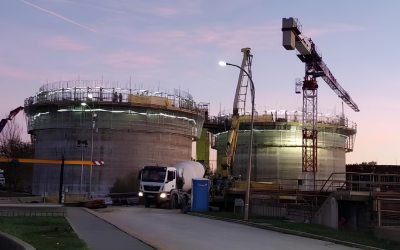
Dublin Port Company, the State-owned commercial company that operates Ireland's largest port, hosts the training facility at its Alexandra Road site and has partnered with the programme throughout its nine years.
The course reports a 90% completion rate and places 60% of graduates into employment within a month, with more than 400 courses delivered since 2017 and graduates employed by John Sisk & Son, Careys Building & Civil Engineering, Walls Construction, Alufix and Clarke Concrete.
A nine-year, oversubscribed pipeline into entry-level construction work is exactly the kind of infrastructure the sector says it needs, yet it remains a small, community-scale initiative relative to the scale of the shortfall it is trying to close.
Ireland needs to recruit up to 120,000 additional skilled construction workers and reskill a further 164,000 by 2030 to meet its housing and climate targets, according to research led by the Technological University of the Shannon, a gap that dwarfs any single community programme however well it performs.
Against that backdrop, a 60% employment rate within a month and a named list of Tier 1 employers, including John Sisk & Son and Careys, shows mainstream contractors are drawing on this pipeline directly rather than treating it as a corporate social responsibility exercise on the side.
For the sector, courses combining safety certification with a direct recruitment pipeline into named contractors are proving more effective at converting graduates into site-ready hires than headline apprenticeship figures alone, and replicating this model at scale matters more to closing the skills gap than any single new training scheme.
Source: Afloat.ie / Irish Green Building Council













.png)