

Ireland’s construction industry has a new reason to look at waste differently. New Concordia University research shows that red mud, a waste product of aluminium production, can help turn low-quality clay and dredged sediment into ingredients for lower-carbon cement, with emissions reductions estimated at 25 to 50% depending on the formulation. For Irish leaders, the finding matters because a parallel red mud project is already under way in Dublin.
The research deserves attention from every construction sector board. Cement is responsible for up to 8% of global carbon dioxide emissions, and clinker is a major source of that footprint. Three dimensions define the opportunity: the emissions saving on offer, the use of hard-to-dispose-of materials, and an Irish research base positioned to commercialise the approach.
The Concordia findings are encouraging in their detail. Researchers heated the red mud and dredged sediment at 800 degrees Celsius to make them more chemically reactive, and one hour of heating produced the best results. In several formulations, the combination produced stronger materials than dredged sediment alone. The amount of red mud mattered, a reminder that precise formulation will decide commercial success.
The scale of the waste stream explains the interest. A July 2026 review reported that global red mud stockpiles have exceeded 4 billion tonnes, and that replacing conventional cement with materials derived from iron-extracted tailings could cut approximately 850 kilograms of carbon dioxide per tonne substituted. Separately, ASX-listed Green360 reported that swapping 30% of Portland cement for a red mud and kaolin blend still reached 30 megapascals at 28 days.
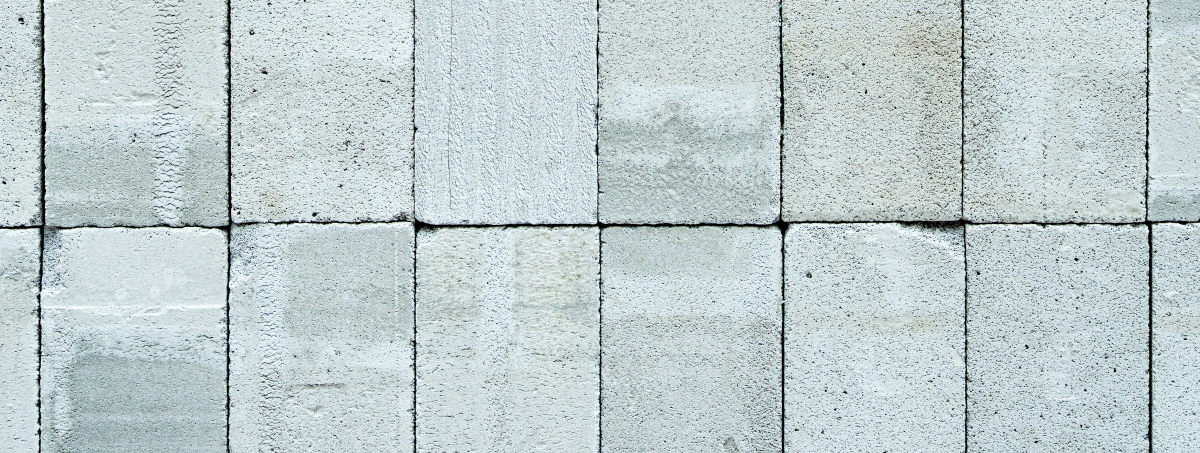
Ireland is not watching from the sidelines. Trinity College Dublin recently hosted an industry workshop on a collaborative project transforming bauxite refining residue, known as red mud, into low-carbon cement and concrete. Funded through Enterprise Ireland’s Innovation Partnership programme, the project presented full-scale concrete blocks, ready-mix applications and industrial trials. That brings the technology closer to real construction projects and offers Irish construction companies an early route into lower-carbon supply chains.
Leaders should act on three fronts. Construction companies should engage with the Trinity project partners to pilot red mud blends in concrete blocks and other lower-risk applications. Procurement teams should request carbon footprint data from cement suppliers, building on the 3.6% reduction in emissions from Irish cement industries in 2025 confirmed by the EPA. Boards should back civil engineering and sustainable construction pilots that test performance, durability and cost against conventional mixes.
Low-carbon cement is moving from laboratory promise to industrial trial. The Concordia results, the Trinity project and the vast global stockpile of red mud suggest that waste can become an asset. Organisations that test early and build supplier relationships now will help define what a lower-carbon Irish construction industry looks like.














.png)