

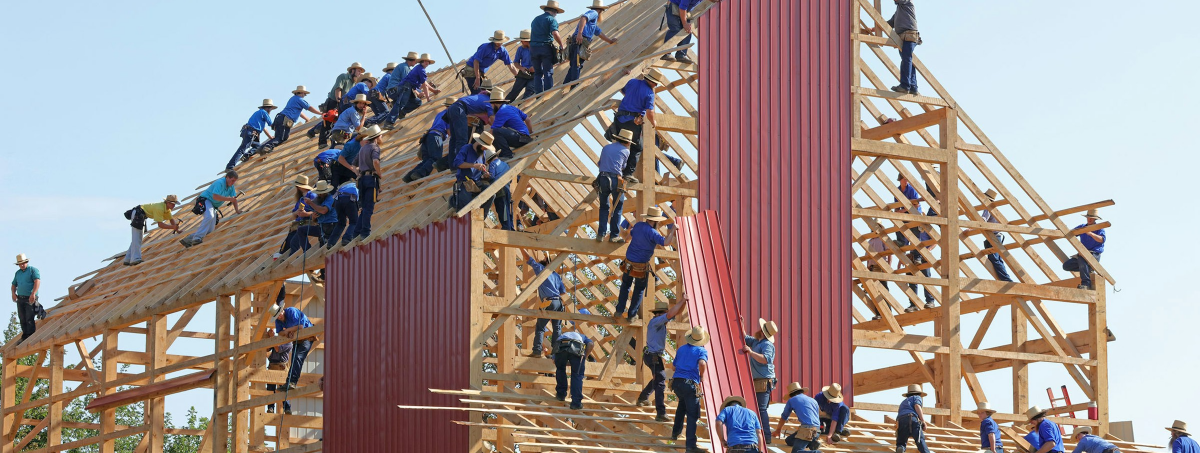
Ireland’s residential construction pipeline is building at pace. The GeoDirectory Residential Buildings Report, prepared by EY and published on 22 July 2026, reveals that 30,508 residential buildings were recorded under construction across the country in Q2 2026, up 27.8% on the same period last year. For construction leaders, that figure represents genuine momentum and a direct commercial opportunity of significant scale. The data confirms the sector is accelerating output at its strongest rate in years.
The GeoDirectory findings are compelling for any board with exposure to residential construction activity. The 30,000 milestone reflects the combined effect of sustained policy intervention, infrastructure investment and private sector commitment to housing delivery. Three dimensions define the current opportunity: a pipeline growing strongly in volume and geographic spread, a vacancy and dereliction picture pointing toward substantial regeneration potential, and a transaction market confirming that demand for completed homes remains firmly ahead of supply.
The construction projects in progress are concentrated where population pressure is most acute. Dublin leads with 6,107 residential buildings under construction, followed by Cork (3,770), Meath (2,192), Louth (2,061) and Galway (1,968). In the 12 months to June 2026, 37,128 new residential address points were added nationally, a 12.5% year-on-year increase. Simon MacAllister, Partner at EY, described passing the 30,000 mark as a significant milestone, noting that activity is clustering in high-growth commuter areas where housing demand is most acute.
The transaction and pricing data reinforces the demand case for continued construction sector investment. Some 49,666 residential property transactions took place in the 12 months to May 2026, with the national average house price reaching €437,631, a 4.7% increase year on year. Dublin recorded an average of €596,997 per transaction. GeoDirectory chief executive Dara Keogh captured the structural tension plainly: demand continues to outpace supply, and vacancy rates are at record low levels.
The dereliction data adds a further strategic dimension. Some 19,137 properties nationally were listed as derelict in June 2026, down 3.5% on Q2 2025, with Mayo holding 14.2% of the national total. For housing development specialists and local authority partners, this represents a significant regeneration pipeline with potential for grant-aided activation. Construction firms should engage proactively with county councils in vacancy-heavy regions, where brownfield delivery can be accelerated alongside the greenfield pipeline in Dublin, Cork and the commuter counties.
The GeoDirectory report confirms that Ireland’s housing construction programme is gaining real traction. More than 30,000 homes under construction, 37,000 new address points in twelve months, and Dublin’s vacancy rate at just 1.4% together make the case for sustained, disciplined delivery. Organisations that maintain pipeline commitments, engage government on enabling infrastructure and invest in the capacity to deliver at scale will define the next chapter of Irish housing output.
(The views expressed by the writer are his/her own and do not necessarily reflect the views or positions of BusinessRiver.)















.png)